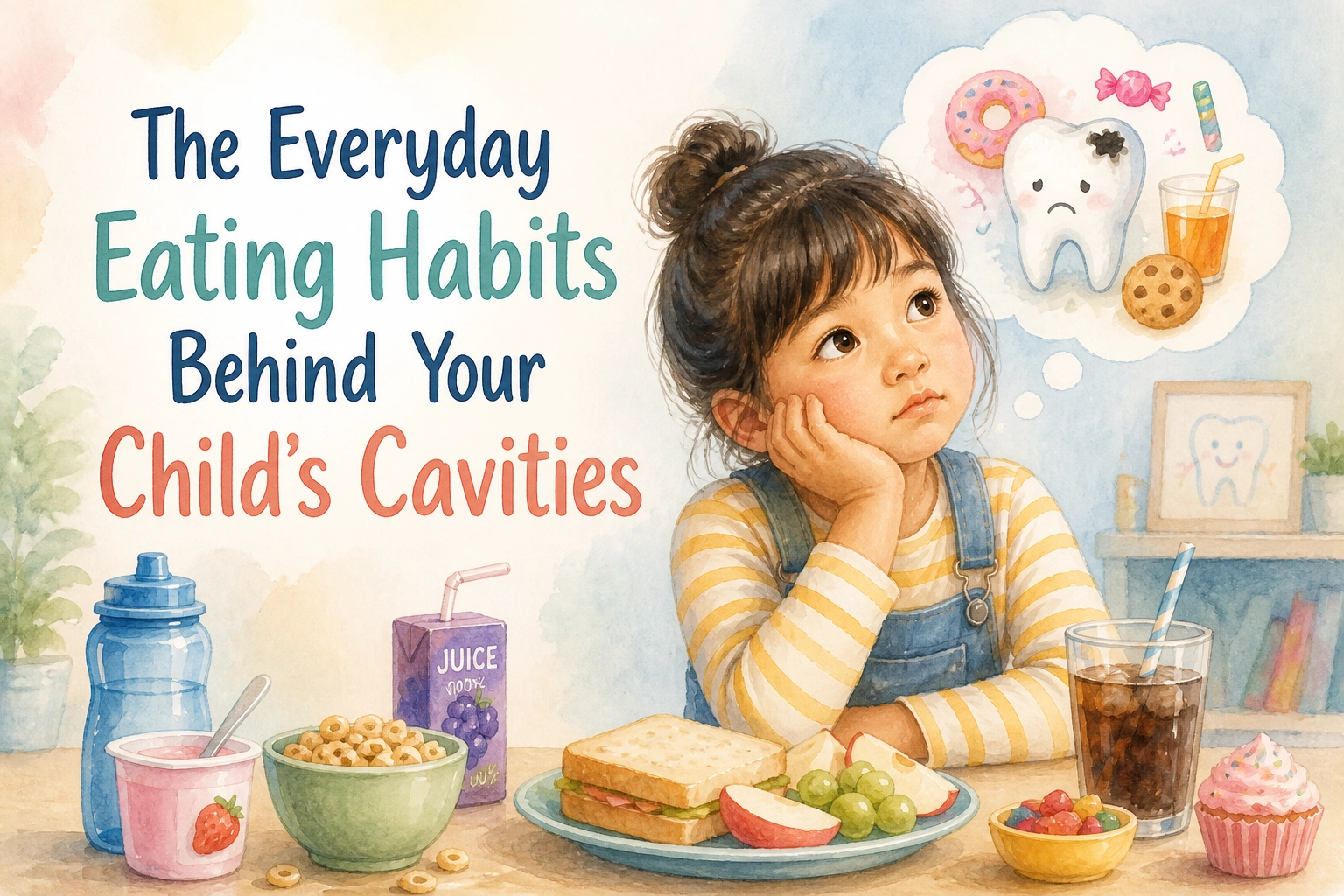
You'd never hand your toddler a can of soda, right? So it's a little jarring to hear that your careful snack routine, with the whole-grain crackers and the fruit pouches, could actually be feeding early tooth decay. But here's the thing: cavities aren't just about how much sugar your child eats. They're about how often those tiny teeth are bathed in sugar and acid all day long.
That's why this isn't another list of foods to ban. Instead, we're ranking the everyday habits that actually move cavity risk for toddlers and preschoolers. You'll see why all-day sipping outranks any single sugary drink, why grazing matters more than what's in the snack bowl, and how sticky carbs like crackers and dried fruit sneak under the radar. We'll also look at bedtime bottles, pouches, and the habits that rank lower than you'd expect.
By the end, you'll have two simple changes you can make this week. No overhaul, no tears, just a clearer picture of what's really happening in your child's mouth.
Cavity Risk Follows Frequency, Not Just Sugar
Cavity bacteria feed on sugars and refined starches, make acid that softens enamel, and saliva needs undisturbed time to wash it away and help minerals move back in. Two hypothetical kids show it: one eats a cookie at lunch and drinks water, a short exposure. One sips juice for two hours, basically one continuous exposure. Diet is only one contributor alongside brushing, sealants and fluoride options, feeding practices, and family circumstances, per AAPD’s early childhood caries policy. No banned food list here, just two habit changes that do most of the work.
How Common Is Early Tooth Decay in Toddlers?
Early tooth decay isn't rare, and it isn't bad luck. The AAPD defines early childhood caries as decay in any primary tooth in a child younger than 72 months, so a cavity in a 3-year-old is a recognized, preventable condition. In 2025, CDC reported that nearly 1 in 4 children ages 2 to 5, about 23%, have had primary tooth caries, and many of those children have untreated decay. Young Black and Hispanic children and children in low-income families have twice the untreated rate, a reminder that access and cost matter too. Overall prevalence stayed flat from 2013 to 2018, but severe early childhood caries rose significantly, so severity is where the problem is growing. AAPD's policy documents the costs: pain, infection, trouble eating and speaking, missed school days, emergency visits, and higher treatment bills. If you're unsure when to go, book a first dental visit.
1. All-Day Sipping Outranks Any Single Sugary Drink
A cup nursed over an hour is not one drink. It is one long acid bath. A cup carried around the house invites slow, repeated sips, so juice or milk sipped across an hour keeps teeth exposed far longer than a drink finished at the table. Even 100% juice carries free sugars; sip frequency matters more than ounces, so ask your pediatric dentist about the daily juice limit for 1 to 3-year-olds. Milk between meals still washes over the teeth with every sip, so it belongs at the table. Make water the default between meals. Milk and juice sit on the table at meals and snacks; water travels in the car and stroller. Pacifier habits add pressure, so see when pacifiers affect teeth.
2. Grazing: Snack Frequency Moves Risk More Than Snack Choice
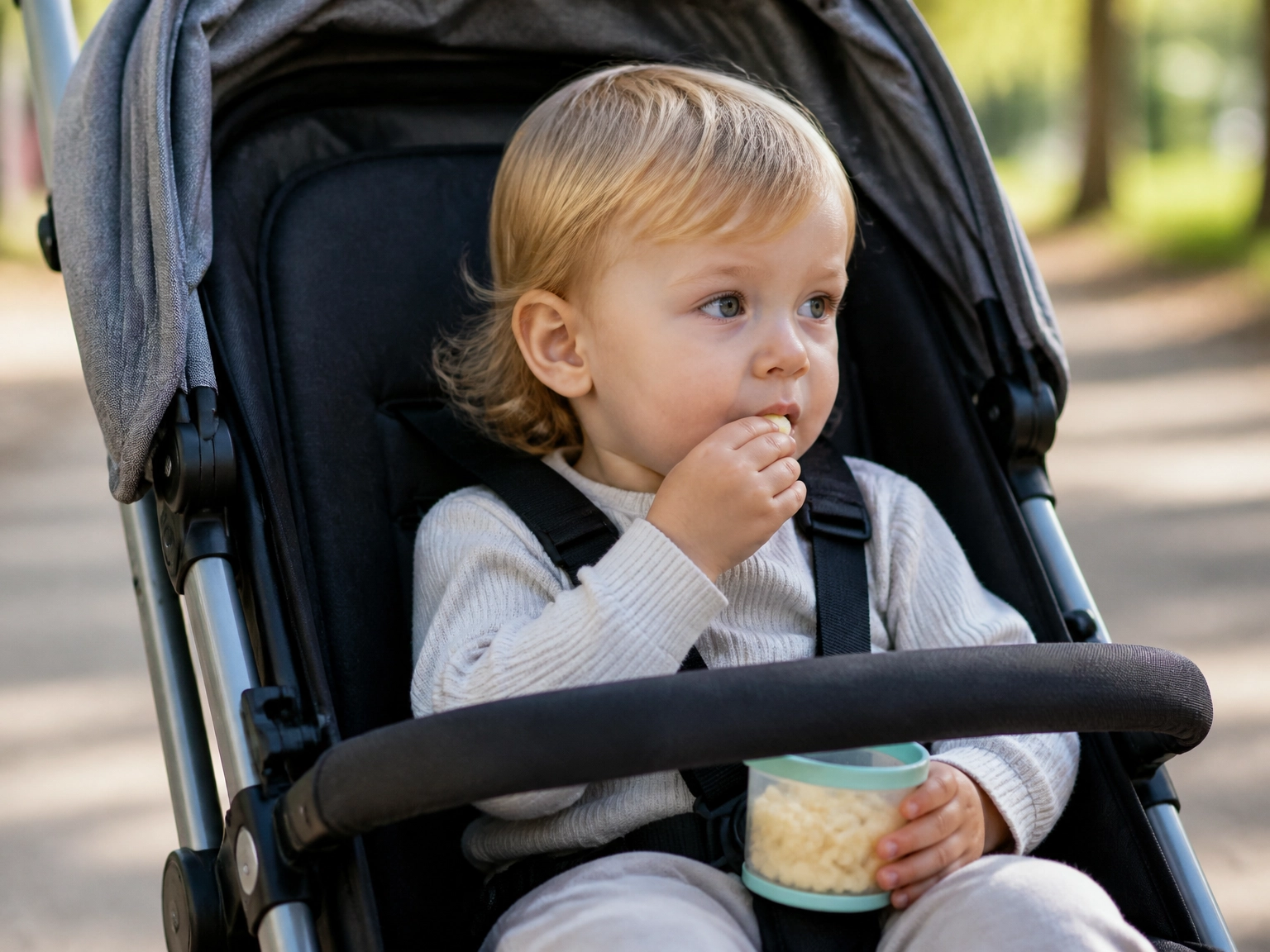
Sipping is the all-day habit; grazing is its close cousin. Frequency outranks choice: ten tiny bites across a morning restart the acid cycle again and again, while one snack eaten and finished lets saliva recover. The pattern hides in plain sight: a snack cup in the stroller, puffs in the car seat, crackers in the diaper bag. Choose a snack you can picture at the table, and make it a sit-down snack with an end. Aim for three meals plus two planned snacks, with water between. That gives teeth recovery breaks, not fewer snacks. If routine changes are hard, these calmer dental visit tips can help. Dietary recommendations from the American Academy of Pediatric Dentistry address snack frequency and refined carbohydrates.
3. Bedtime and Naptime Bottles and Cups
Grazing has an overnight cousin. When a toddler falls asleep with a bottle, gets milk overnight, or naps with a juice cup in the crib or car seat, the liquid stays on the teeth much longer than it would during waking hours. No shame here; these are common sleep habits. The fix is to finish the bedtime bottle before brushing, then offer water only if a drink is truly needed overnight. If your child already has a bedtime bottle, fade it gradually, but retire it early. It’s the highest-value habit to change. For sleep disruptions from new teeth, see soothing sore gums.
4. The Sticky Carbs Parents Trust: Crackers, Puffs and Pretzels
There's another everyday habit hiding in plain sight: sticky carbs. Crackers, cereal puffs, pretzels, granola bars and dry cereal all turn to sugar in the mouth. That melt-in-the-mouth texture is the trick. These snacks soften into a paste that presses into the pits and grooves of molars and sits between teeth. A cracker with no added sugar is still refined starch, and cavity bacteria ferment starch into acid. The label claim isn't a free pass. Timing is everything. That same cracker eaten at a table with a meal and water barely registers. Eaten slowly in a car seat over a long ride, it's one long exposure. Scan the ingredient list for flour and starch, not just sugar grams, and pair these snacks with water or a cheese-and-fruit plate at the table.
5. Dried Fruit, Fruit Leather and Gummies
Crackers aren't the only sticky carb. Raisins, dried cranberries, fruit leather, and gummies pack concentrated sugar into a texture that presses into grooves and clings to tooth surfaces instead of being swallowed like fresh fruit. Drying concentrates the sugars and fruit acids into a small, sticky package, so natural doesn't mean low risk. Keep portions small, serve these with a meal rather than as an all-day car snack, and follow with water. Treat fruit leather and gummies as once-in-a-while foods, not daily staples. Sticky sweets also cling to any fillings or sealants your child already has, so they matter if a tooth cavity has been treated.
6. Pouches and Sippable Purées
Pouches feel tidy, but watch the clock. A child often sucks on one for a stretch, so fruit or veggie purée drips slowly across the teeth instead of being eaten in a few minutes from a spoon. Vegetable blends often include fruit for sweetness, plus fruit acids, and the pouch format makes it hard to track how much your child actually ate. The riskiest pattern is the pouch used to keep a child calm in the car or stroller, which can stretch one snack into an hour of repeated exposure. You don't have to ditch pouches. Squeeze the purée onto a spoon at the table so it gets eaten and finished, or save pouches for mealtimes and follow with a few sips of water. If a cavity ever needs treatment, our guide to sedation options for kids covers what to expect.
7. What Ranks Lower Than You'd Expect
Pouches are one version of the same pattern: exposure stretched over time. That is why a piece of chocolate or a cupcake eaten quickly at the end of a family meal ranks lower here than all-day sipping and grazing. The dessert is short, and saliva is already flowing from the meal. A small sweet every hour is a different event entirely, however the hourly total adds up. Parents who focus only on banning sugar can miss this frequency lever and wonder why early tooth decay risk has not changed. This ranking is about exposure patterns, not a green light for unlimited sweets; frequency applies to sweets too.
Change One: End the All-Day Grazing and Sipping
Start with structure: three meals and two planned snacks, with water between and nothing else. That gives teeth real recovery time.
Keep one cup rule: water is the drink that goes everywhere else.
Make snacks an event with a start and an end at the table, rather than an open-ended car seat snack.
If your child expects constant snacks, post a snack schedule, use a visual routine, keep a water bottle within reach, and say a firm but warm no between times.
No foods have to leave the house. Only the timing changes, which is far easier than a diet overhaul.
Change Two: Finish Meals and Snacks With Water
With grazing and sipping on a schedule, make water the finish line. A few sips and swallows after eating help wash away sticky residue from molar grooves and between teeth, and they prompt saliva, the mouth's own repair system. Build it into routines you already have: water after every meal and snack, after a pouch, after dried fruit, before the tray is cleared. Water is a rinse, not a replacement for brushing. Brushing twice a day with fluoride toothpaste still does the heavy lifting, and the last brush should be right before bed. Fluoridated water is a bonus if your supply has it; ask at your child's visit rather than assume. If a chip or injury ever happens, know the kids' dental emergency steps. Next, why cavities often show up on the front teeth first.
Why Cavities Often Show Up on the Front Teeth First
Water gives teeth recovery time, and that time matters most in one spot: the upper front teeth. Under AAPD’s definition, severe early childhood caries in children ages 3 to 5 includes cavities or fillings on the smooth surfaces of the primary maxillary anterior teeth, the upper fronts. Why there first? Liquid from a bottle or sippy cup pools behind the upper lip and bathes those teeth, while the lower fronts sit closer to where saliva gathers and are partly protected. Lift your child’s lip regularly. Early decay can look like chalky white bands near the gumline; later, brown or broken-down spots. Front-tooth decay affects eating, speech, and comfort, and can need more involved treatment than a small back-tooth filling. It is the visible result of the habits above: bedtime bottles, all-day sipping, and pouches.
When to See a Pediatric Dentist
AAPD guidance points to booking a first dental visit by the first birthday or within six months of the first tooth, and sooner for a white or brown spot. At a checkup, AAPD's guidance points to dietary modification and fluoride use, the core early childhood caries prevention strategies. Bring your child's real snack and drink routine: cup refill frequency, car snacks, and bedtime habits. Those details shape risk more than a general sugar question. Think of the dentist as a coach, not a judge; guilt about juice, pouches, or a bedtime bottle does not help. First Smile Pediatric Dentistry, a Delaware practice led by board-certified pediatric dentist Dr. Morgan Morrow, can assess your child's cavity risk and build a prevention plan, with most insurance plans accepted and flexible payment options.
Two Changes, Not a Banned Food List
A visit isn't the finish line, though. The habits behind kids' cavities come down to timing and repetition, not villain foods, so the fix is smaller than most parents expect. Here it is in full:
The two changes that do most of the work:
Stop the all-day grazing and sipping so teeth get real breaks between exposures.
Finish every meal and snack with water so the mouth can recover.
Then keep these basics steady:
Brush twice daily with fluoride toothpaste, with the last brush at bedtime.
Retire the bedtime bottle.
Lift the lip monthly to check for white lines or brown spots on the front teeth.
Act early if you see one. Catching early tooth decay while it's still a chalky white line is far easier than treating a tooth cavity that's been there for months.
Conclusion
The two changes carry most of the weight. If you want support putting them into practice, First Smile Pediatric Dentistry in Delaware, led by board-certified pediatric dentist Dr. Morgan Morrow, can assess your child's cavity risk and build a prevention plan. Most insurance plans are accepted, and flexible payment options are available. Start with one change today, then add the next.